
Why Crypto Payments Still Haven’t Gone Mainstream, and What Needs to Change
For years, cryptocurrency has been discussed as the future of money. Yet for most people, crypto still feels more like an investment than something they would use to buy lunch, pay a retailer, send money to a friend, or settle an everyday bill. That gap matters.
If digital currency is going to move beyond trading and become part of everyday commerce, the industry has to solve a very different problem. It has to make crypto easier for consumers, economically attractive for merchants, and simple enough that neither side has to think about the technology underneath the transaction.
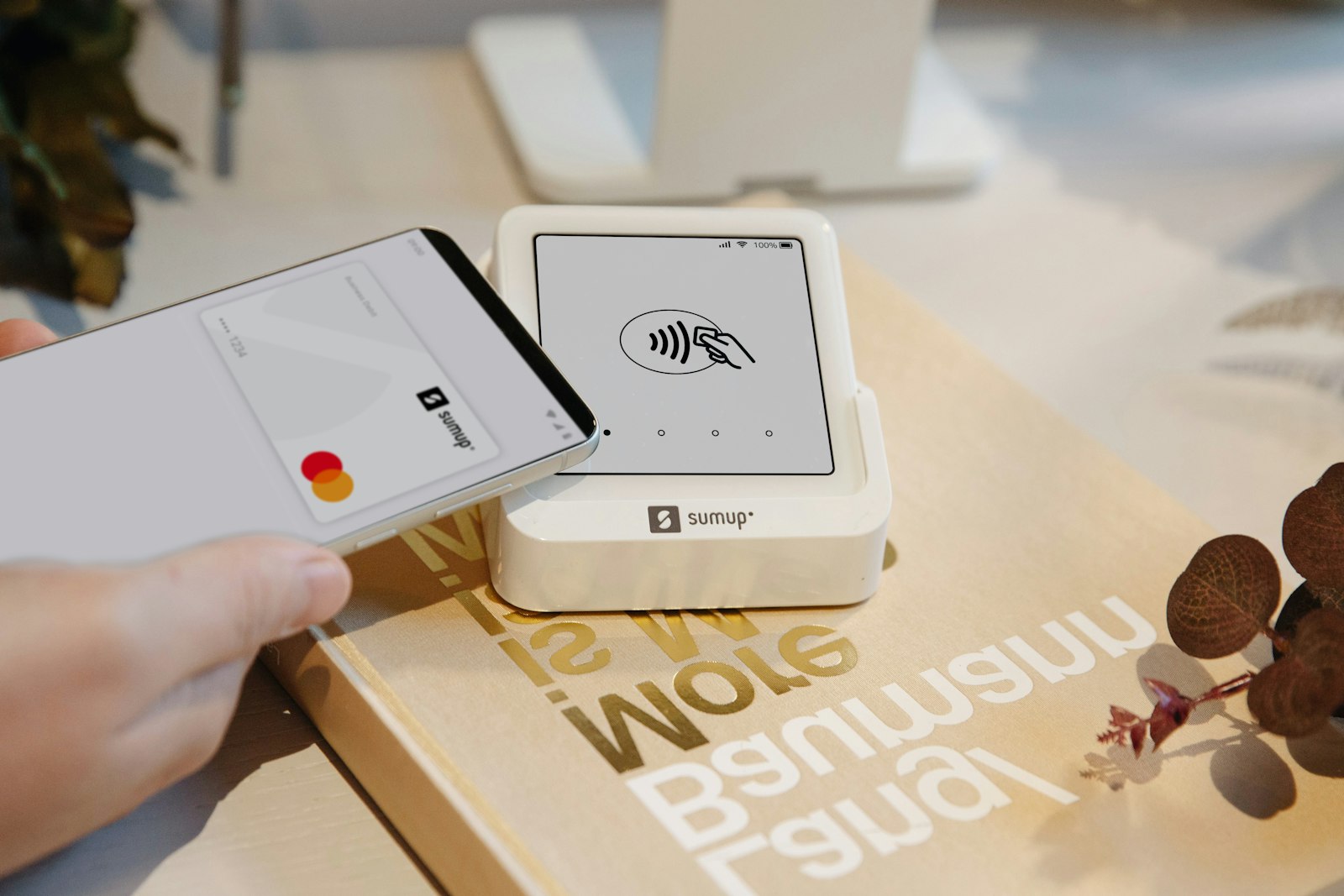
Crypto Has an Adoption Problem, Not Just a Technology Problem
Blockchain technology has advanced rapidly. Networks have become faster, wallets have improved, stablecoins have expanded, and businesses have begun exploring digital assets for payments, settlement, loyalty programs, and other financial applications.
The problem is that the average consumer does not want to become a blockchain expert just to make a payment. Terms such as seed phrases, gas fees, network selection, bridging, wallet addresses, and token swaps may be familiar to experienced crypto users, but they create friction for everyone else.
Mainstream payment systems succeeded because they hid complexity from the customer. People do not need to understand how card authorization, acquiring banks, settlement networks, and payment processors communicate when they tap a credit card. They simply tap and pay. Crypto payments need to reach the same standard.
The Winning Crypto Wallet May Be the One That Feels Least Like Crypto
For digital payments to become mainstream, the wallet experience has to feel familiar. A consumer should be able to create an account quickly, authenticate securely, choose how to pay, confirm the transaction, and move on. That philosophy is central to the TOKE Wallet.
TOKE is developing its wallet around familiar onboarding methods such as email, phone verification, passkeys, and multi-party computation security rather than requiring the traditional crypto experience of manually managing a seed phrase. The goal is straightforward: reduce the technical barrier separating millions of potential users from blockchain-based payments.
Because adoption rarely happens when consumers are told to learn a complicated new system. It happens when the new system becomes easier to use.
Merchants Need a Reason to Care Too
Consumer convenience alone is not enough. A successful payment network has to work economically for the business accepting the payment.
Traditional payment processing can involve multiple participants between the customer and the merchant. Every participant adds infrastructure, administration, and potentially another layer of cost. For a merchant processing a large volume of transactions, even small differences in acceptance costs can become meaningful.
Blockchain-based payments create an opportunity to rethink that structure. Instead of replicating every layer of the traditional card ecosystem, a digital payment network can enable value to move more directly between participants.
TOKE Network is being built around that principle, with merchant acceptance through tools including QR payments and tap-to-pay, along with rapid settlement and the ability to work with multiple digital assets. TOKE currently advertises merchant pricing as low as 1.59%, depending on the applicable payment arrangement.
The bigger idea is not simply accepting cryptocurrency. It is making cryptocurrency economically useful.
Merchants Should Not Have to Become Crypto Traders
There is another obstacle to adoption: volatility. A retailer may be interested in accepting digital assets without wanting its operating cash exposed to the price movement of those assets. Those are two completely different decisions.
Payment infrastructure therefore needs to separate the act of accepting crypto from the decision to hold crypto. TOKE’s model is designed to support conversion between digital assets such as TOKE and stablecoins, giving merchants greater control over what they ultimately hold and how they manage settlement.
That distinction could become increasingly important as more businesses explore digital currency. The future of crypto commerce does not require every merchant to become a crypto investor. It requires infrastructure that gives merchants choices.
Real Utility Changes the Conversation
Much of cryptocurrency’s history has centered on one question: What will this token be worth? Mainstream adoption introduces a different question: What can I actually do with it? That is where utility becomes important.
A utility token has a reason to exist when it performs a useful function inside a working ecosystem. TOKE is being developed specifically around transactions between consumers and merchants, while its broader network is designed to connect consumers, businesses, traders, and other participants. That creates a fundamentally different objective than launching a digital asset solely to attract trading activity.
Trading can still be part of an ecosystem. It simply does not have to be the entire ecosystem.
Businesses Are Starting to Need Crypto Infrastructure, Not Crypto Experiments
The opportunity also extends beyond individual retail transactions. Banks, fintech companies, marketplaces, consumer brands, and other organizations are exploring ways to incorporate blockchain technology without building an entire crypto infrastructure stack internally. That can include branded wallets, token issuance, digital rewards, merchant acceptance, stablecoin settlement, and even automated machine-to-machine transactions.
This represents an important transition for the industry. The first era of cryptocurrency was largely about owning digital assets. The next era may be about using the infrastructure behind them.
The Technology Should Disappear Into the Experience
The biggest sign that crypto payments have become mainstream may be the moment people stop talking about the blockchain involved. Customers will simply pay. Merchants will simply receive their money. Businesses will simply connect to payment infrastructure.
The technical architecture will still matter enormously, but it will operate behind the experience instead of becoming the experience. That is the standard digital payments must reach.
TOKE is being built around that idea: make blockchain useful in everyday commerce without requiring everyday people to become crypto experts. Because the future of crypto payments will not be won by the platform with the most complicated technology story. It will be won by the platforms that make powerful technology feel simple.
Interested in seeing how TOKE is approaching everyday crypto payments? Explore the TOKE Wallet and TOKE Network at GoTokes.com.